01
Free trial
Try a few leads before you decide, so you can judge the fit for yourself.

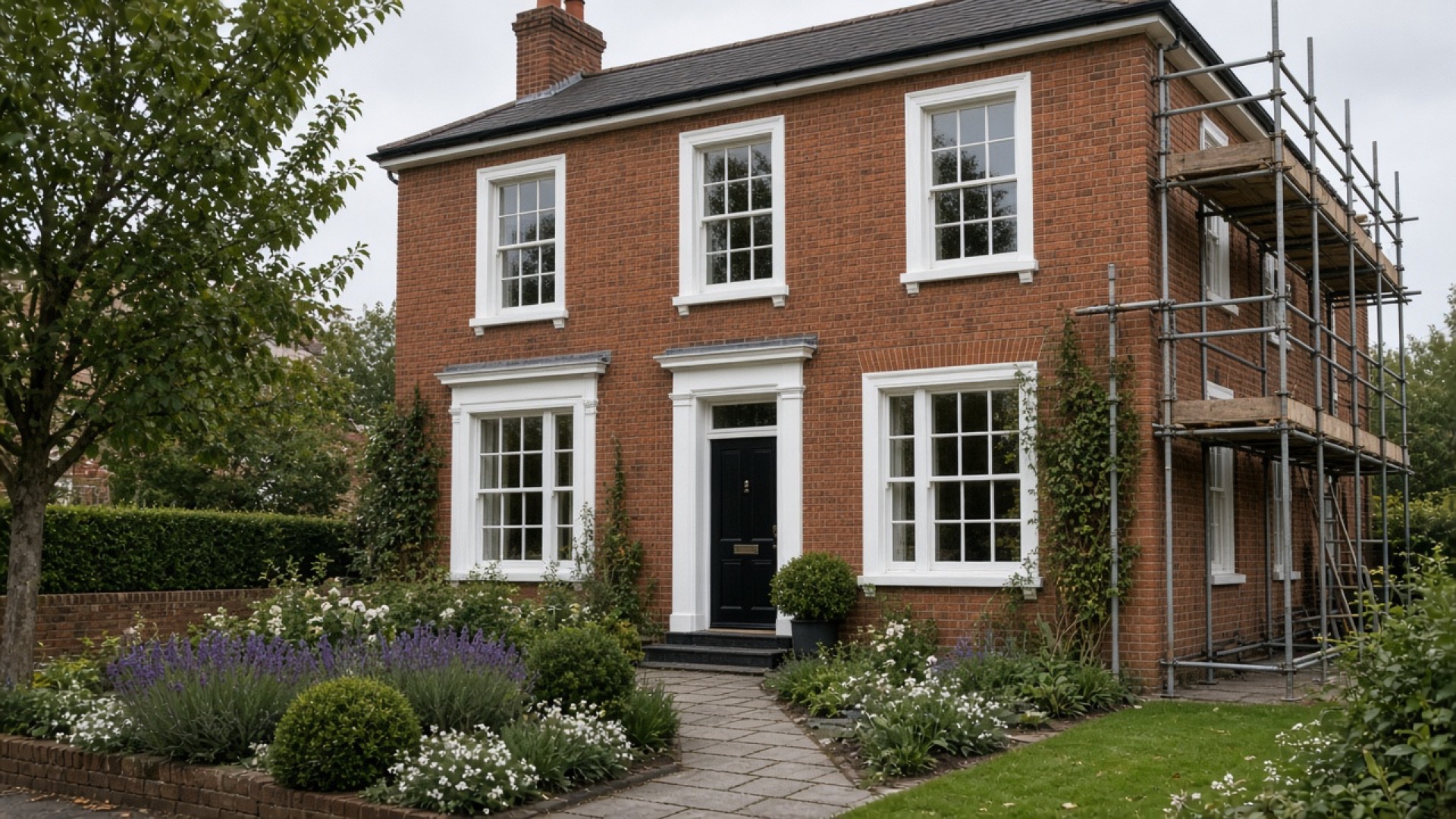
Home improvements
Home improvement leads are for contractors who want enquiries about specific projects, such as kitchens, windows, roofing or extensions. The category only works when you name the work.
The offer
Start with a free trial, so you can see the enquiries for yourself. If you carry on, it is week to week, with no contract and no commitment.
01
Try a few leads before you decide, so you can judge the fit for yourself.
02
No contract and no commitment. You continue from one week to the next only while the work still suits you.
01
"Home improvements" can mean a kitchen, replacement windows, a reroof, a porch, or an extension. Those projects do not share a survey, a supplier or a margin. An enquiry with no project type is unfinished. If you buy that label without defining it, you will meet jobs you do not do.
Use this category when the work is real and it is not a loft, a driveway, solar or a battery. Do not use it as a request for every trade on the site. Name one or two project types. A window firm and an extension firm should not receive the same undefined enquiries.
02
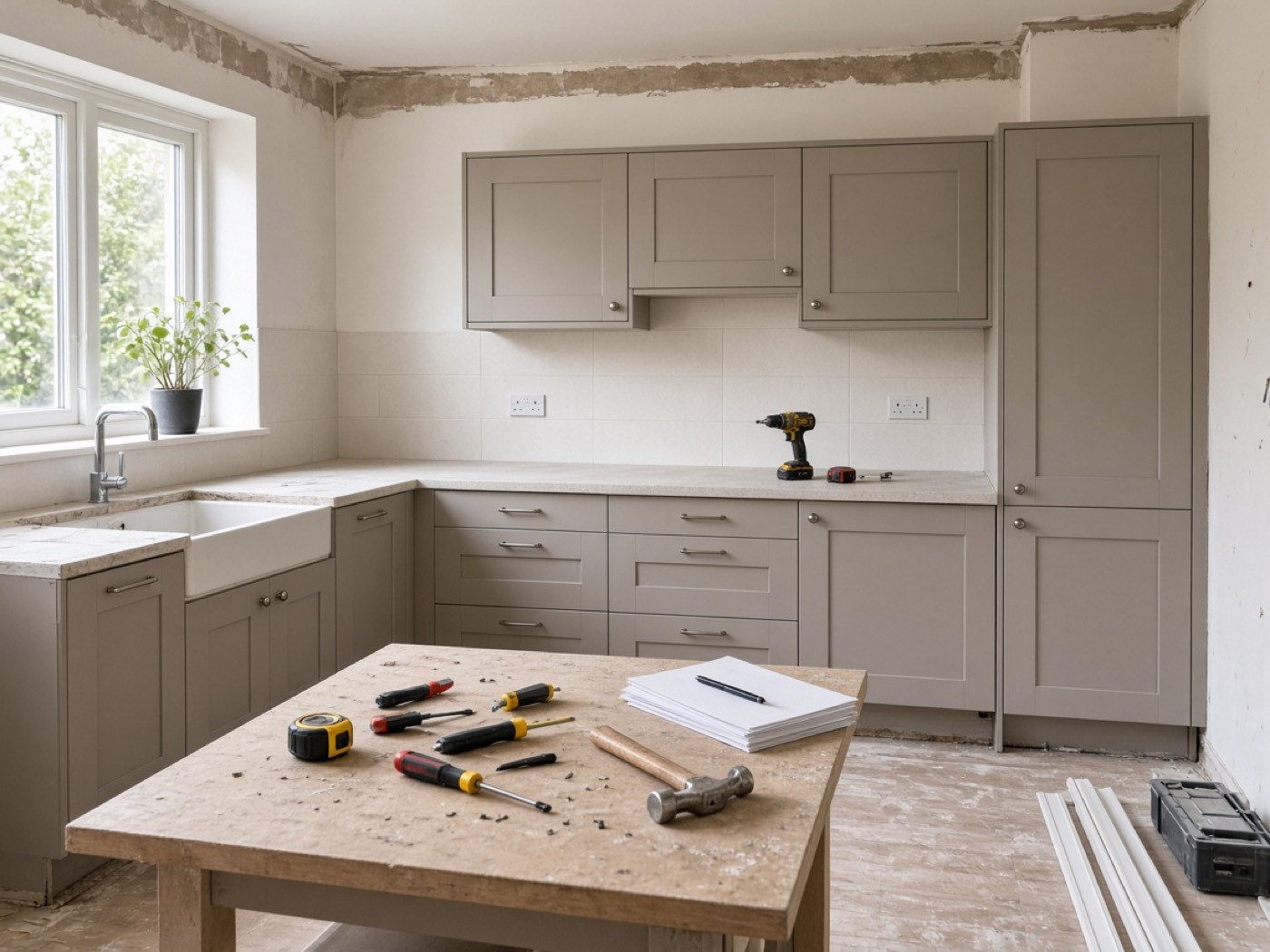
Write the work the way your quote form does. "Replacement uPVC windows and doors on houses, not flats, no timber, no shopfronts" is a brief. "Quality home improvements across the region" is not. If you fit kitchens, say whether you supply, install, or both, and whether plumbing and electrical work is included. If you roof, say pitched reroofs, flat roofs, repairs, or just one of those.
For extensions, say whether you want people who have not thought about planning yet, or only those ready for a builder to look at a scheme that already has permission. Say the job size too. A downstairs toilet is not a rear extension, and a single window is not a full replacement.
03
This page assumes domestic homeowners. Exclude landlords, housing associations, listed buildings or flats if you do not want them. Ask that the person can instruct the work. The first record can only take their word for it. Your visit confirms it.
Keep geography as tight as your supervision. Tell us the area/postcodes you will visit and the travel time you will not exceed. A regional phrase is a starting point, not a boundary. Tell us how many you can call and how many you can survey, and ask for the flow to stop when the workshop is full.
04
The project description matters most. Agree that you will receive a name, a telephone number, the postcode, and a plain sentence of what they want. "New kitchen" is a start. "New kitchen, wall between the dining room removed, house in York" is better. You will still measure. The sentence is there to stop you attending a job you do not build.
Photos of the room help. They are not measurements. Confirm whether you should expect them, and confirm the wording the householder saw, so the first call refers to the project they named. People who asked about windows do not want a kitchen pitch. Agree how you will flag an enquiry outside those projects, or a duplicate.
05
Choose home improvements only after the message names the projects. One or two types are enough. If you are really a driveway firm or a solar installer, use that page instead. You can mention a second trade. Do not hide the main work inside a general label.
Describe the kind of job you like without names and exact addresses. "A three-bed house needing a full set of replacement windows" is enough. Do not paste a customer’s details. Send the form once, from a mailbox your estimators read.
No. Name one or two project types you actually quote. An undefined request is too broad to match to a household enquiry without wasting both sides.
They have their own pages. Use those if they are the work you want. Use this page for other stated projects such as kitchens, windows, roofing or extensions.
Yes. Property type is part of the brief. Say what you will not survey, including rented homes if you only want owner-occupiers.
Do not expect drawings. You may ask that extension enquiries are only from people who already have permission, but you will still confirm that yourself.
Specific enough that a colleague could accept or reject a job from it. Name the trade, the exclusions, the area/postcodes and how many surveys you can handle in a week.
Your brief
Include the area/postcodes you cover and the jobs you will not take. We will use that brief to see whether a conversation is possible.