01
Free trial
Try a few leads before you decide, so you can judge the fit for yourself.

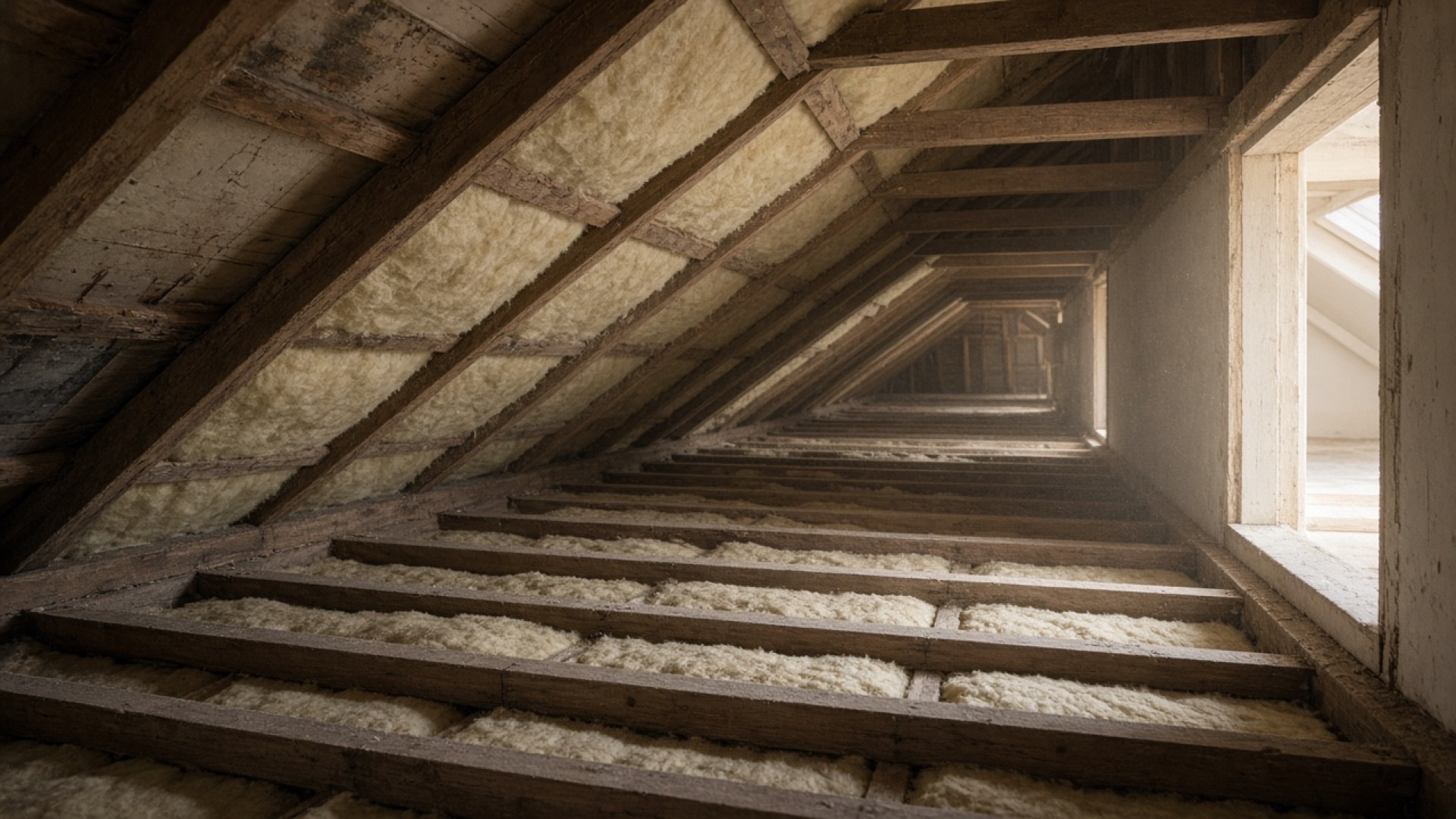
Loft insulation
Loft insulation leads are for businesses that survey and install insulation in domestic lofts. This page covers the questions behind those enquiries, what makes a record usable, and what to agree before you take any on.
The offer
Start with a free trial, so you can see the enquiries for yourself. If you carry on, it is week to week, with no contract and no commitment.
01
Try a few leads before you decide, so you can judge the fit for yourself.
02
No contract and no commitment. You continue from one week to the next only while the work still suits you.
01
A householder gets in touch because a room feels cold, a bill has risen, or they are unsure whether the existing loft insulation is enough. Some have been told a depth and want a qualified look. Some want the loft boarded and have heard insulation should be done at the same time. Those are related jobs, not the same job.
A useful enquiry shows the interest is the loft, not cavity walls, a boiler or new windows. It should include a way to make contact, a location, and a hint about the property. It will rarely tell you whether the joists are deep enough, the hatch is safe, or belongings have to be moved. The lead starts your process. It does not replace it.
02
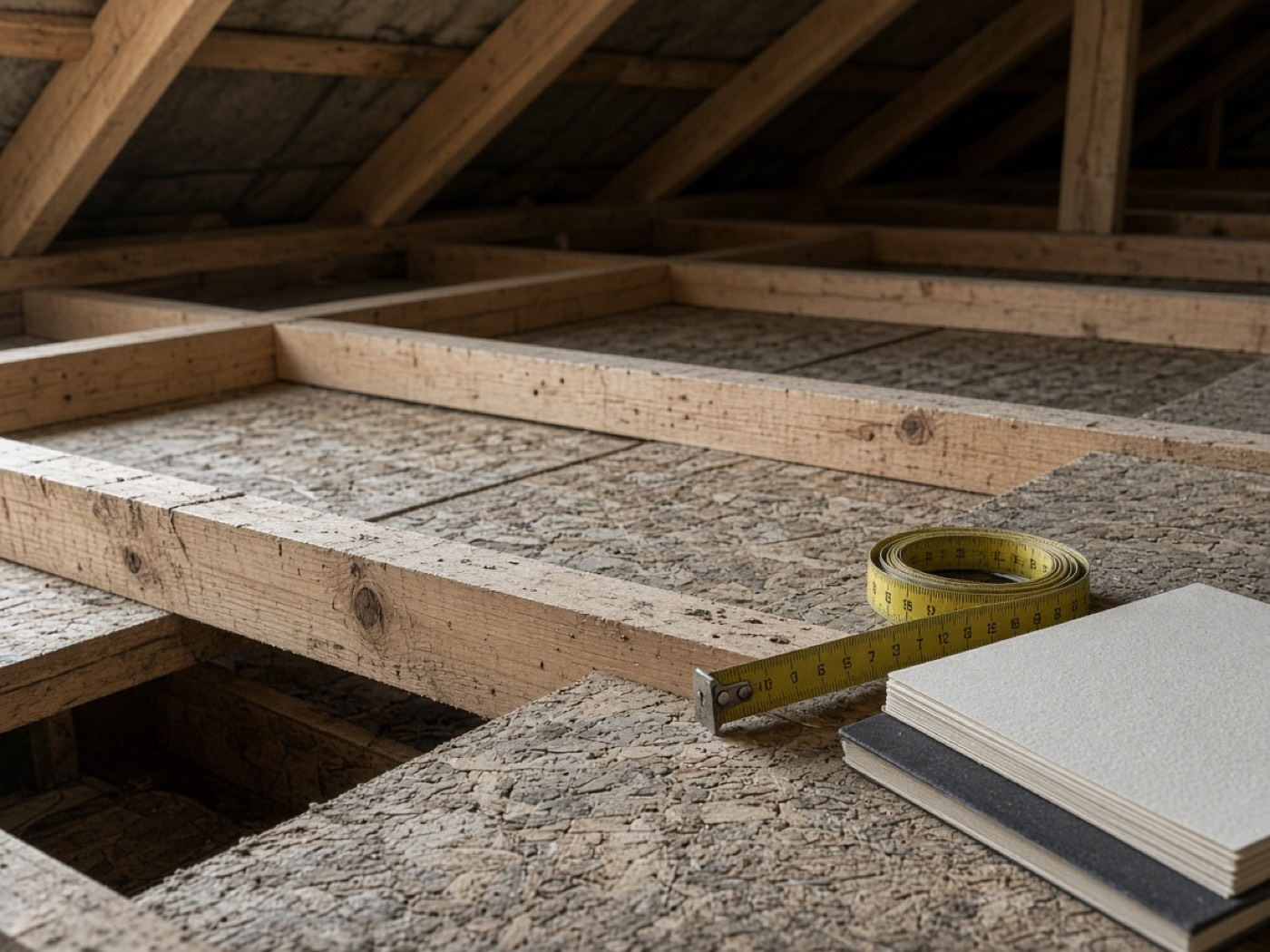
A careful installer checks how the loft is reached, whether the hatch is safe, and whether there is room to move. Depth and condition matter. Compressed, wet or patchy material changes the recommendation. So do pipes, tanks, downlighters and ventilation at the eaves. Adding material with nowhere for air to go can cause condensation.
They also ask what the loft is for. Access only is a different job from a loft the household wants to board and walk on. If you do not quote boarded or room-in-roof work, say so. Grants and schemes are a question for your surveyors to check, not a fact this page can promise.
03
Tell us the area/postcodes where you will survey lofts, and how far you will travel for a single job. A tight territory is a strength once van cost is included. Say whether you work in houses only, or whether flats and maisonettes are acceptable when the loft belongs to the resident and access is safe.
Name the specifications you want. A top-up, an empty loft, a hatch replacement and a boarded storage deck are four different jobs. If you only want straightforward top-ups, write that down. Say if you need surveys paused when other work is full.
04
Agree the fields you will receive. A practical set is the person’s name, a working telephone number, an email if they offered one, the area/postcode, the property type, and a short note of what they asked. Hatch photos help when the householder can provide them. Do not assume every record has one.
Agree what the householder was told. They should expect a business that installs insulation to contact them. If that was not explained, the first call feels cold. Ask how that explanation is given, and match it in your opening line. Also agree what happens with a wrong number, no safe access, or a duplicate.
05
If you also quote related energy work, name it. A loft brief does not include heating controls, solar or a new roof unless you say so. Householders often raise more than one idea. Your team can listen, but the enquiry you asked for should still be the loft.
When the brief is clear, send it from the contact page. Use a work email that someone reads. Do not attach customer records from jobs you have already won. The first message only needs to show that you install this work, in these area/postcodes, on these terms.
The page is about loft insulation. If you also want cavity or other fabric measures, say so in your message and describe them separately. Do not assume they are included.
No. Suitability is your survey. A useful enquiry shows interest and gives you enough to decide whether to arrange that survey. Access, condition and ventilation are still your checks.
Yes. Exclusions are part of a good brief. State them when you enquire so they can be discussed before any arrangement starts.
No. We do not claim that funding, a scheme or an obligation is available. If a householder mentions one, your team should verify the current rules.
Yes. Tell us the area/postcodes you will actually visit. A smaller, precise patch is easier to assess than a claim to cover the whole country.
Your brief
Include the area/postcodes you cover and the jobs you will not take. We will use that brief to see whether a conversation is possible.